
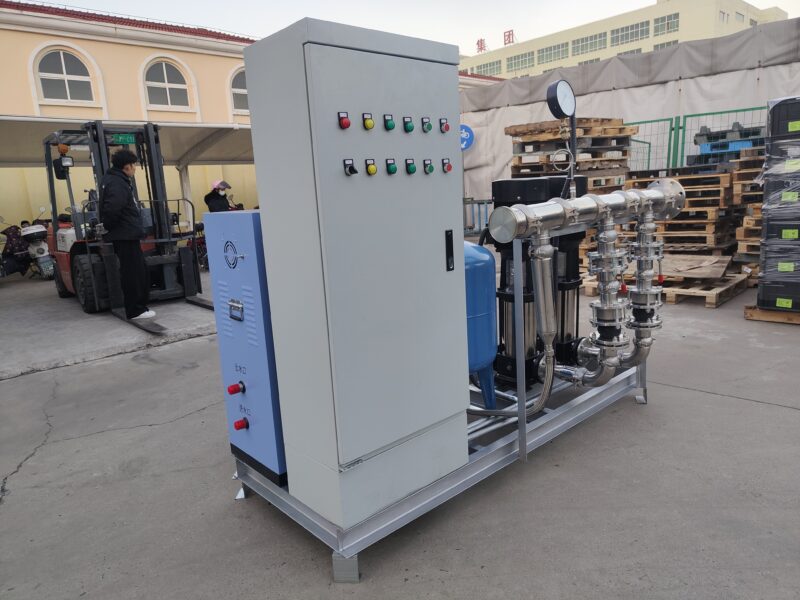
Abstract: Incorrect pump selection is one of the most common problems in water treatment projects, directly leading to soaring energy consumption, equipment damage, or system failure. This guide walks you through the principles and practical steps to select the most suitable pump for rainwater harvesting, circulating water, and wastewater treatment systems.
Step 1 – Know the Types: Where to Use Submersible, Centrifugal, and Self‑Priming Pumps
- Submersible pump – Operates fully submerged in the liquid. It is the only choice for lifting water from PP modular rainwater tanks, deep wells, and sumps. Simple to install, no priming required.
- Centrifugal pump (vertical / horizontal) – Installed above the liquid level and requires positive suction pressure. Suitable for drawing water from above‑ground tanks or intermediate process vessels. Multi‑stage centrifugal pumps provide higher heads.
- Key distinction: If the storage tank is located below the equipment room, you must use a submersible pump for lifting. If the tank and equipment are on the same level, a centrifugal pump can be used.
Step 2 – Get the Core Right: How to Calculate Flow and Head
Flow rate (Q) – Determined by process requirements. Keep these empirical values in mind:
- Supply pump flow ≈ Daily water demand / 6 hours
- Drain (dewatering) pump flow ≈ Tank volume / 12 hours
- Backwash pump flow ≈ Treatment flow + (3–6 m³/h)
Head (H) – Insufficient head is the most fatal mistake. Calculation formula:
H = Net static head (lifting height) + Pipeline losses + Equipment resistance + Safety margin (typically 2–5 meters)
- Pipeline loss estimation: A rough estimate can be (pipeline length in meters × 0.2), or use hydraulic calculation software.
- Equipment resistance: Filters, disinfection units, etc. typically add 2–10 meters of head loss.
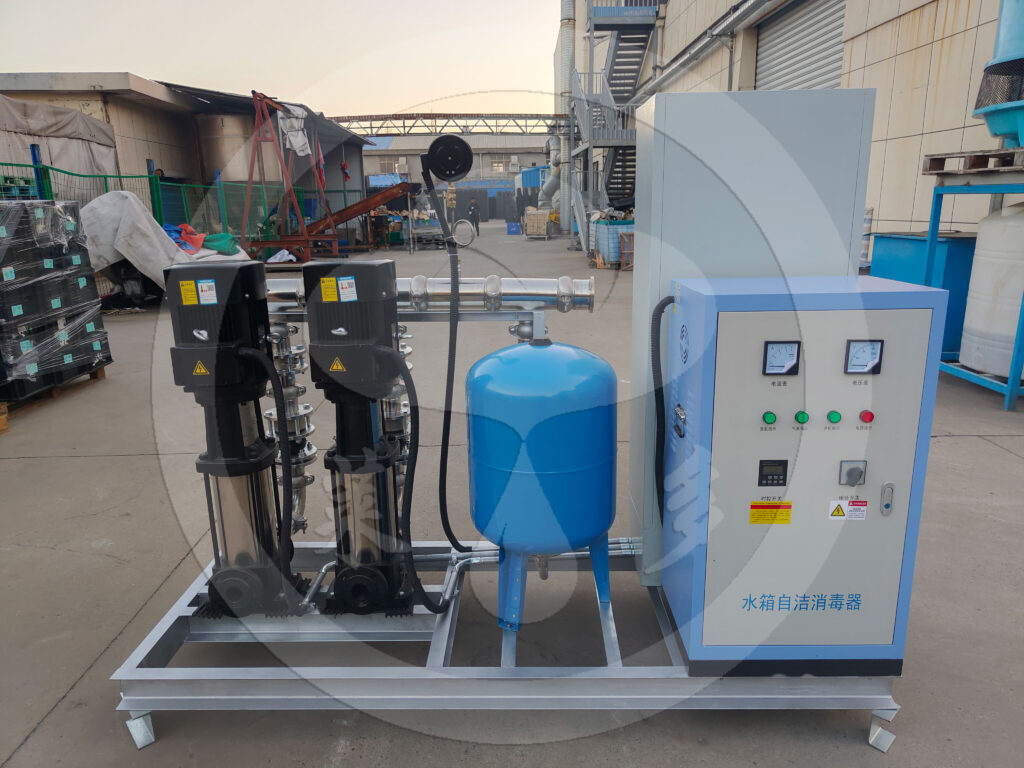
Step 3 – Read the Curve: Find the Best Efficiency Point on the Performance Graph
The pump’s performance curve is your “map”. Your duty point (Q, H) must fall within the pump’s high‑efficiency zone (usually near the rated point).
Important principle: The selected pump’s rated flow should be slightly higher than your design flow, but not more than 3 m³/h above. At that flow, the actual head the pump delivers must be ≥ your design head.
Step 4 – Consider Special Requirements: When Must You Use a Specialised Pump?
- Wastewater containing solids: When conveying sewage or sludge with solid particles, choose a vortex pump or a submersible pump with a cutting mechanism to prevent clogging and wear.
- Highly corrosive liquids: For chemical dosing or industrial wastewater with aggressive chemicals, select a chemical pump with wetted parts made of SS316L, PVDF, or lined plastic.
- High static head systems: For building water supply requiring a head above 50 meters, it is recommended to use lined galvanised steel pipe for the main riser – its strength and stability are superior to plastic pipes.
Step 5 – Embrace Intelligence: Why Variable Frequency Drive (VFD) is a Must‑Have
A fixed‑speed pump starts and stops directly, causing severe water hammer and high energy consumption. VFD control adjusts motor speed to achieve:
- Constant‑pressure water supply: The network pressure remains stable regardless of flow demand – excellent user experience.
- Soft start & soft stop: Eliminates water hammer, protects pipes and pumps, and extends equipment life.
- Significant energy savings: At partial load, energy savings can reach 20–50%.
Configuration: VFD‑based constant pressure systems usually require a remote pressure transmitter and a small pressure tank to stabilise the network and reduce frequent pump cycling.
Profession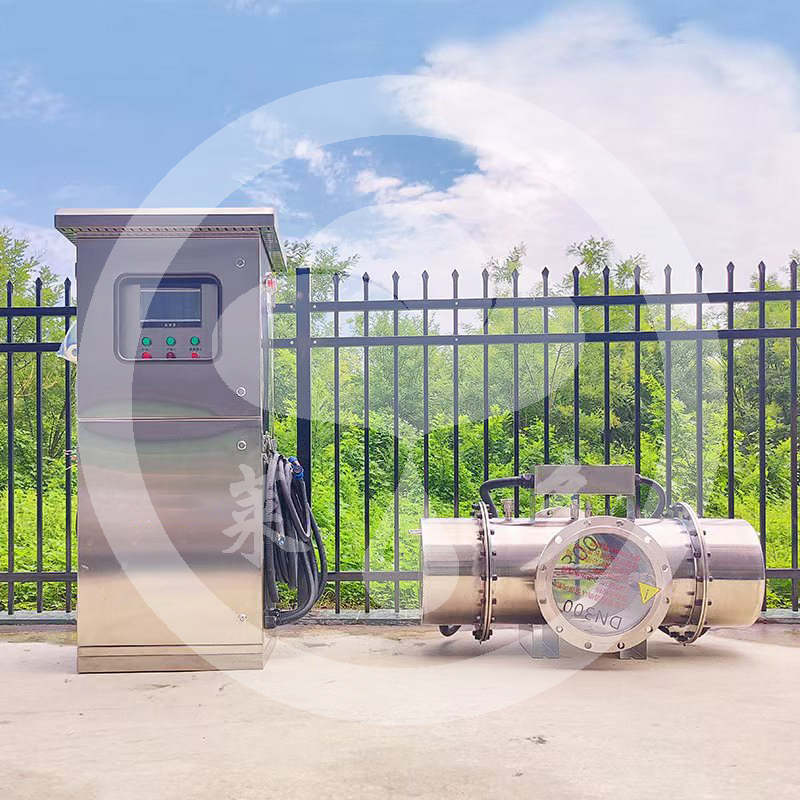 al tip: Ledo Industrial’s intelligent water supply control system integrates ABB drives and smart pressure sensing, providing a smooth, efficient, and intelligent water supply solution – completely eliminating pressure fluctuations and high energy costs.
Final Note
Correct pump selection is the cornerstone of a reliable water treatment system. Follow these five steps, refer to performance curves, and always consider real‑world operating conditions. When in doubt, consult experienced engineers or use digital sizing tools – your system’s “heart” will thank you.
Keywords: pump selection, submersible pump, centrifugal pump, variable frequency drive, constant pressure water supply, water treatment system, rainwater harvesting, Ledo Industrial.