The question of whether the Sponge City initiative is an “expensive endeavor with lackluster results” – effectively a “false proposition” – sparks widespread debate both within the industry and among the public. To answer objectively, we need to move beyond a simple “yes” or “no” and instead conduct a comprehensive examination based on the concept’s core objectives, current implementation status, challenges faced, and future directions.
1. The Essence and Goals of Sponge Cities Are Far from a “False Proposition”
The core philosophy of Sponge Cities is to mimic the natural water cycle by employing a combination of technical measures – often summarized as “infiltration, detention, retention, purification, utilization, and drainage” – to enhance a city’s capacity to absorb, store, infiltrate, and purify rainwater. Its fundamental goals are:
Alleviating Urban Waterlogging: Reducing the risk of water accumulation during extreme rainfall events.
Mitigating Runoff Pollution: Using natural or engineered purification measures to reduce pollutants carried by stormwater runoff into water bodies.
Rainwater Resource Utilization: Collecting rainwater for reuse in irrigation, road cleaning, landscape supplementation, etc., to ease water resource pressures.
Improving Urban Microclimate and Water Ecology: Increasing green and blue spaces to mitigate the urban heat island effect and restore aquatic environments.
These goals directly address the severe water challenges (waterlogging, water scarcity, pollution) prevalent in rapidly urbanizing China. The scientific basis of the concept and the necessity of its objectives are internationally recognized (similar concepts include LID in the US, WSUD in Australia, and SuDS in the UK). Therefore, from the perspective of its underlying principles and goals, the Sponge City concept is decidedly not a “false proposition,” but rather an essential direction for sustainable urban development.
2. “Substantial Investment” is a Reality, but Requires Rational Perspective
Nature of a Systemic Project: Sponge City construction involves urban planning, municipal engineering, landscape architecture, hydrology, and more. It complements, optimizes, and even partially replaces traditional grey infrastructure (pipelines, pumping stations). It requires building or retrofitting extensive green infrastructure (e.g., permeable pavements, bio-retention facilities, rain gardens, storage tanks, green roofs) and integrating them into all stages of urban development. This systemic and comprehensive nature inherently entails significant initial investment.
Long-Term Benefits and Life-Cycle Costing: Investment appraisal cannot focus solely on upfront construction costs. The benefits of sponge facilities are long-term:
Disaster Reduction: Minimizing direct and indirect economic losses from property damage, traffic paralysis, and casualties caused by waterlogging.
Environmental Benefits: Improving water quality, enhancing the urban ecological environment, and increasing biodiversity.
Resource Benefits: Conserving tap water and reducing water supply costs.
Social Benefits: Enhancing urban livability and resident well-being.
Reduced Pressure on Grey Infrastructure: Lessening the load on drainage networks and wastewater treatment plants, delaying or reducing the need for their expansion.
From a life-cycle perspective, considering construction, operation, maintenance, and the multiple benefits listed above, the cost-benefit ratio of Sponge Cities can be reasonable, even economically favorable. Many studies (including those by institutions like the World Bank) indicate that green infrastructure often outperforms solely expanding grey infrastructure in terms of long-term cost-effectiveness.
3. Origins of the “Lackluster Results” Perception and Core Challenges
Public perception or arguments suggesting “lackluster results” often stem from:
Overly High Expectations and Short-Term Perspective: Expecting Sponge Cities to completely eliminate all flood risks is unrealistic, especially amid increasing extreme weather events. The aim is to enhance urban resilience, reducing the frequency and severity of risks, not to achieve absolute immunity. Effectiveness also requires time to accumulate and depends on the system functioning as a whole; one cannot expect one or two projects to instantly solve all problems.
Systemic Deficiencies and Fragmented Implementation: This is one of the biggest current challenges. Sponge City construction requires integrated planning and systematic implementation across entire areas. If efforts remain at isolated “points” (single projects) or “lines” (a specific road), lacking systematic planning and implementation at the “area” level (districts, watersheds), the effectiveness will inevitably be limited. Stormwater flows; localized measures cannot solve watershed-wide problems.
Disconnect Between Planning, Design, Construction, and Maintenance:
Planning: Insufficient integration with master plans, regulatory plans, and special plans leads to a gap between goals and implementation.
Design: Inadequate site investigation (soil, hydrology, geology), inappropriate design parameters, and imprecise modeling can result in facilities underperforming expectations.
Construction: Poor quality control, substandard materials (e.g., permeable pavements prone to clogging, low strength), and sloppy detailing.
Lack of Operation & Maintenance (O&M): This is a critical reason for performance degradation. Permeable pavements need regular cleaning; bio-retention facilities require sediment removal, media replacement, and plant pruning; storage tanks need dredging. Without professional, sustained O&M, facility functionality rapidly declines or fails. Unclear responsibility for O&M and insufficient funding are common issues.
Technical Support and Material Performance: Some technologies may lack maturity or sufficient adaptation to local conditions. The performance, durability, and cost-effectiveness of core products like permeable materials, storage modules, and filter media are crucial. Inferior or unsuitable materials directly impact facility lifespan and effectiveness.
4. The Path Forward: Key Lies in Systemic Integration, Refined Management, and Technological Innovation
For Sponge Cities to truly deliver and dispel doubts about “lackluster results,” the aforementioned challenges must be addressed:
Strengthen Top-Level Design and System Integration: Deeply embed the Sponge City concept into the entire process of urban planning, construction, and management. Adopt watershed or drainage catchment-based areas for systematic design, achieving synergy between “source control, pathway management, and systemic treatment.”
Improve Standards, Regulations, and Supervision: Develop more scientific, detailed standards for design, construction, acceptance, and O&M. Strengthen whole-process supervision and performance assessment.
Establish Sustainable O&M Mechanisms: Clarify responsible entities (government, property management, third parties), secure O&M funding, and build professional O&M teams and systems.
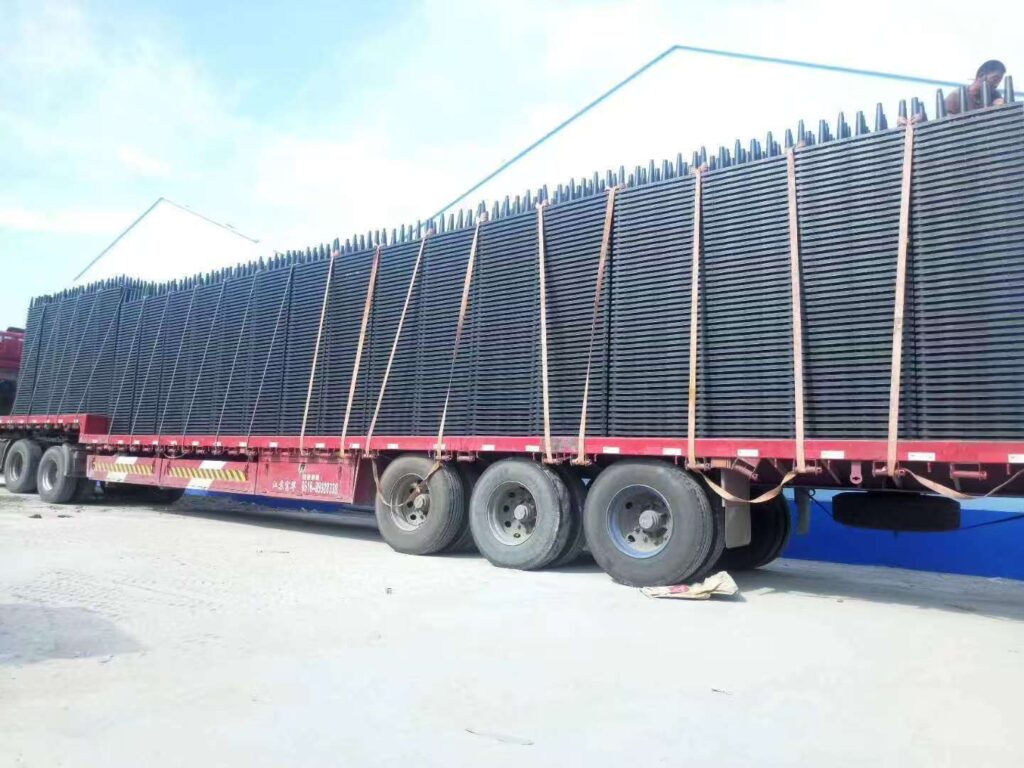
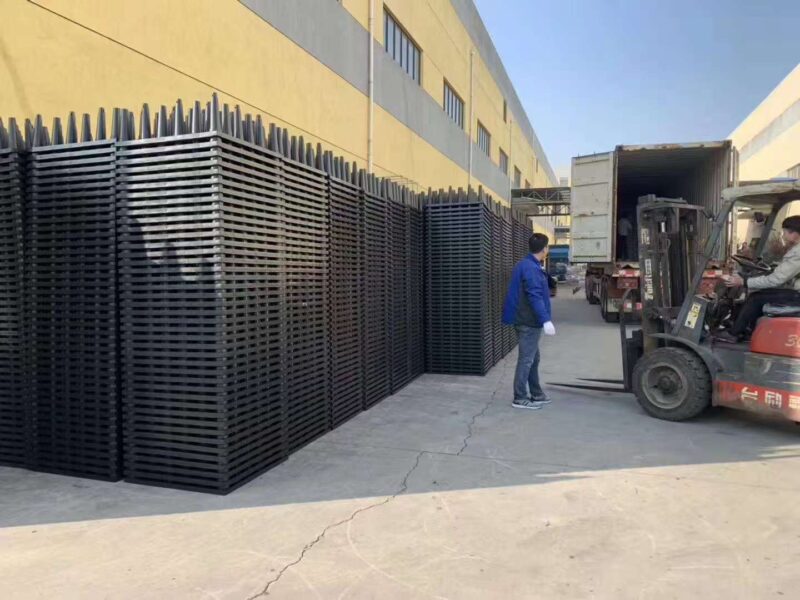
Promote Technological Innovation and Material Advancement: This is precisely the focus of leading domestic enterprises like Shanghai Laiduo Industrial Co., Ltd. They are dedicated to developing and producing high-performance, long-lasting core materials and system solutions for Sponge Cities. For instance:
High-Performance Permeable Materials: Providing permeable concrete, pavers, and related products with high permeability, high strength, and strong anti-clogging capabilities, ensuring rapid infiltration and long-term effectiveness.
Efficient Rainwater Harvesting and Reuse Systems: Developing modular, intelligent systems for storage, purification, and reuse to maximize rainwater resource value.
Ecological Purification Technologies: Offering targeted bio-retention media, constructed wetland substrates, etc., to enhance runoff pollution removal efficiency.
Smart Monitoring and Management: Utilizing IoT technology for real-time monitoring of sponge facility performance, providing data support for precise O&M.
To learn more about Shanghai Laiduo Industrial Co., Ltd.’s specific technical solutions and success cases in the Sponge City field, you can visit their official website at WWW.SHLEDO.COM for professional information.
Conclusion
The Sponge City concept is far from a “false proposition.” It is a scientifically sound pathway for addressing urban water challenges and building resilient, livable cities. The investment is indeed substantial but should be evaluated within a life-cycle cost and comprehensive benefit (economic, environmental, social) framework. The perceived underperformance of some projects stems primarily from implementation challenges – systemic gaps, O&M deficiencies, and technical/material limitations – rather than a flaw in the core concept itself.
The future success of Sponge Cities hinges on: resolutely advancing comprehensive, systematic implementation, establishing long-term O&M mechanisms, and continuously driving technological innovation and material advancement. Choosing suppliers like Shanghai Laiduo Industrial Co., Ltd., which focus on high-performance Sponge City materials and solutions, is crucial for ensuring project quality, enhancing facility efficacy, and achieving long-term sustainability. Only through the concerted efforts of government, enterprises, and society can the immense potential of Sponge Cities be fully unlocked, allowing cities to “breathe” freely like sponges and effectively meet water-related challenges.