
.jpg)
In urban drainage and stormwater separation systems, we often face a classic challenge: how to achieve rapid, precise, and low-impact flow control and diversion within existing, complex pipe networks? Traditional rigid equipment like gates and weirs often entail complicated civil modifications, ongoing maintenance headaches, and inevitable head loss.
Today, an innovation born from flexible sealing technology is quietly changing this landscape—the Insertion-Type Flexible Flow Control Device. It acts like an intelligently “breathing” airbag implanted within the pipe, offering a more elegant and efficient way to safeguard the city’s “underground lifelines.”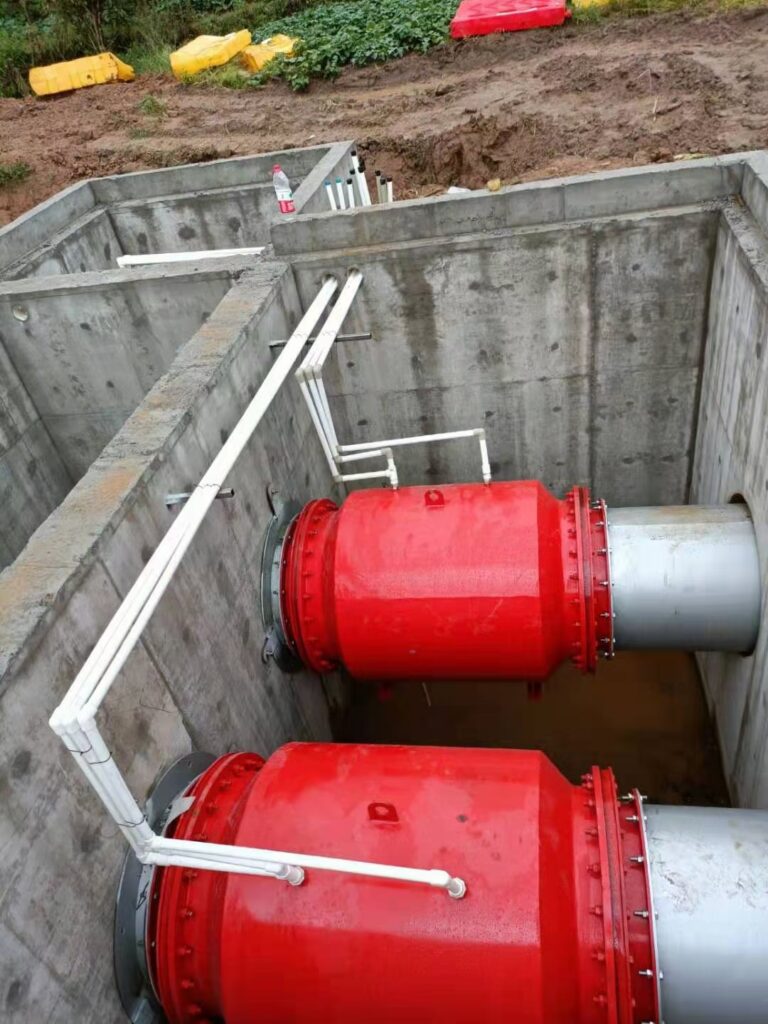
I. Working Principle: Harnessing the “Power of Air” for Precise Control
The core of this device is a flexible capsule (airbag) made of high-strength, wear-resistant rubber, inserted directly into the existing pipeline.
Its operating logic is clear and intelligent:
Intelligent Sensing: An integrated level gauge monitors the water level differential across the device in real time, transmitting data to the control center.
Inflation for Diversion: When the system determines flow needs to be stopped (e.g., for first-flush pollution capture or backflow prevention), the control cabinet activates an air compressor. Compressed air is pumped into the capsule’s internal chamber, causing it to expand and form a tight, zero-leakage seal against the pipe wall, instantly blocking the water flow.
Deflation for Drainage: When flow needs to be restored (e.g., for flood discharge or system, a release valve is simply opened. The water pressure in the pipe and the capsule’s own elasticity cause it to rapidly revert to its original shape, restoring 100% of the pipe’s original cross-sectional area for flow with zero head loss.
The entire process requires no continuous electrical power, relying solely on pneumatic control—representing an intelligent leap from “rigid on/off” to “flexible deformation.”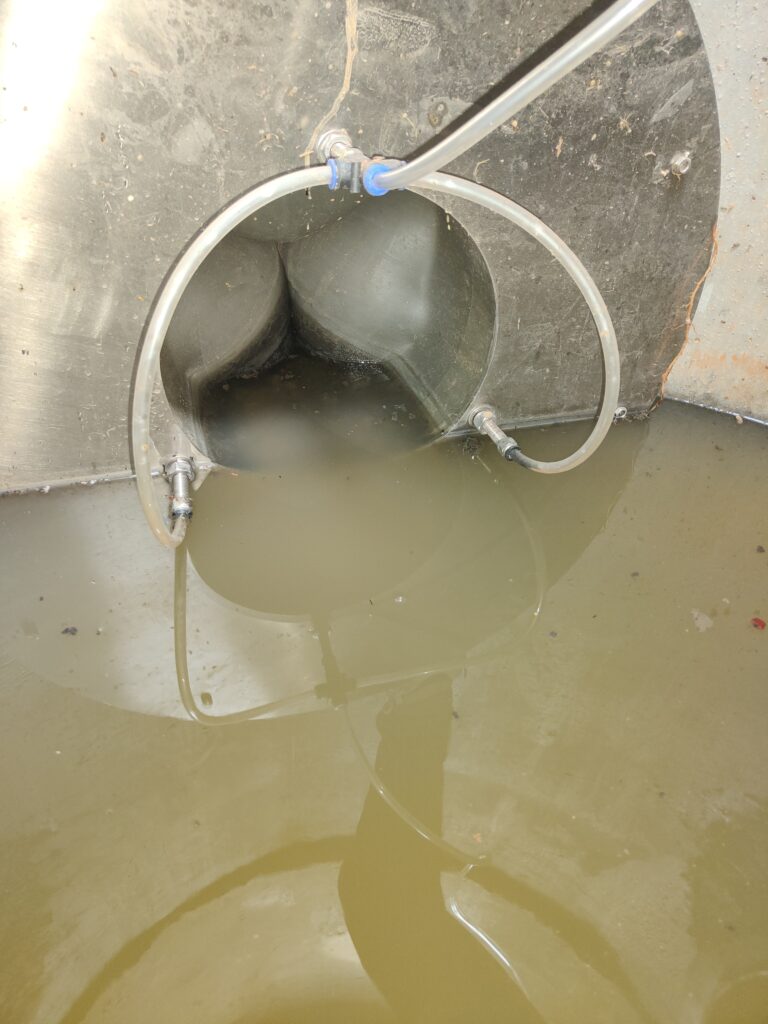
II. Five Core Advantages: Why It’s the Superior Solution?
Compared to traditional diversion devices, the advantages of the insertion-type flexible device are transformative:
✅ Non-Destructive Installation & Extreme Compatibility
Its unique insertion design requires no cutting, modification, or extensive civil work on the original pipe. This drastically shortens project timelines and minimizes disruption to existing infrastructure. It is the perfect choice for rehabilitating old networks and working in space-constrained areas.
✅ Unobstructed Flow & Inherent Clog Resistance
Its smooth, streamlined structure and ability to fully retract prevent debris like leaves, fibers, and floatables from snagging or accumulating. When open, the pipe’s inner diameter is completely restored, eliminating clogging risks at their root and ensuring drainage system smoothness and safety.
✅ Zero-Leakage Seal & Minimal Space Footprint
Relying on the complete conformal contact between the flexible airbag and the pipe wall creates a broad-area line seal, far superior to the line-contact seal of traditional methods. Furthermore, the device is entirely hidden within the manhole/pipe, occupying no additional vertical space and leaving surface landscapes and activities unaffected.
✅ Simple Structure & Extremely Low Failure Rate
The core moving part is simply the rubber airbag, with no complex mechanical drive components. Even in corrosive wastewater environments, it remains immune to common failures of traditional metal gates like jamming or rust, significantly enhancing operational reliability.
✅ Easy Maintenance & Low Lifecycle Cost
Modular design makes installation and servicing exceptionally straightforward. The rubber capsule has a long lifespan, and even if replacement is needed eventually, it doesn’t require large-scale excavation, greatly reducing maintenance difficulty, cost, and safety risks.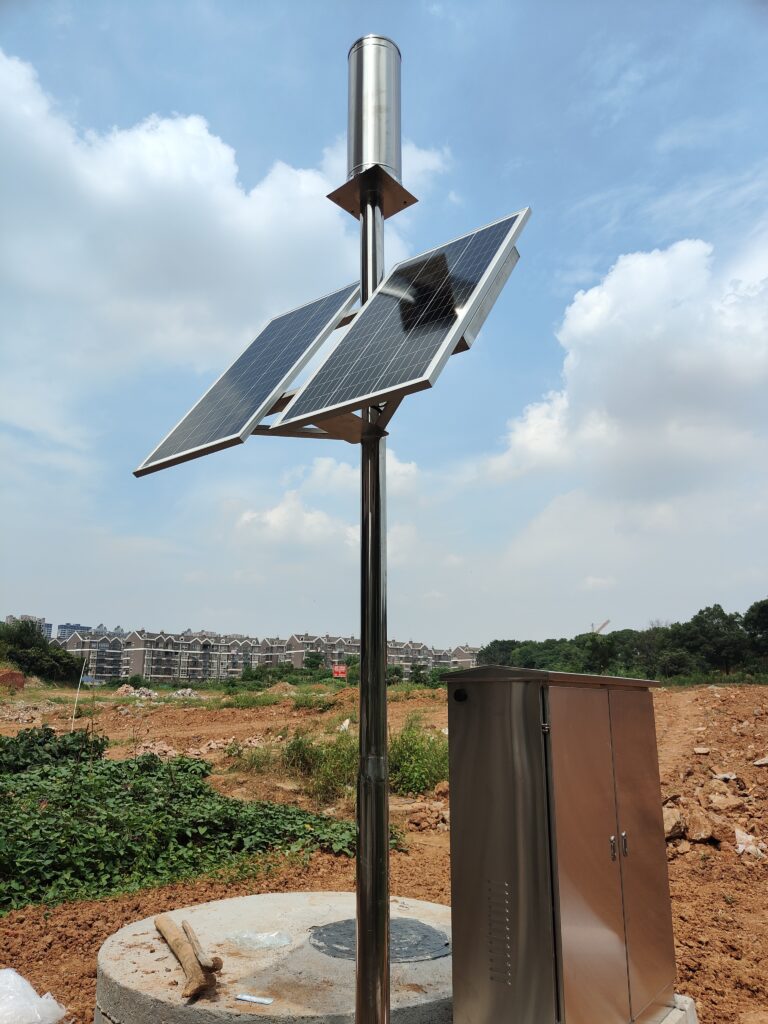
III. Application Scenarios: Enabling Finer Management & Building Urban Resilience
This technology provides a nimble yet powerful tool for various water management challenges:
Stormwater Separation & First-Flush Diversion: Precisely captures initial polluted runoff, directing it to treatment plants. A key component for Sponge City development and water environment improvement.
Combined Sewer Overflow (CSO) Control: Acts as an inlet control device for storage tanks or interceptors, intelligently managing flows to reduce overflow pollution.
Backflow Prevention: Prevents tidal or flood water from external water bodies from backing up into the city via drainage pipes, crucial for outfalls and low-lying areas.
Network Management & Maintenance: Enables rapid temporary isolation of pipeline sections, creating safe, dry conditions for downstream inspection, cleaning, or repair.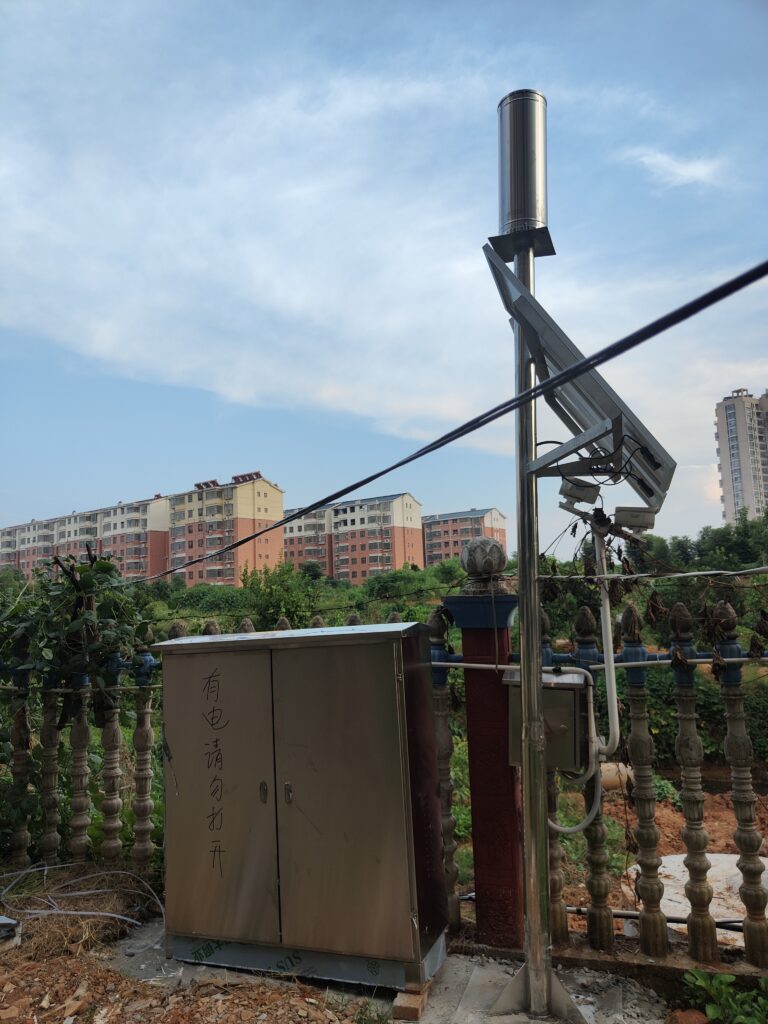
IV. Conclusion: Choosing Flexibility is Choosing the Future
The Insertion-Type Flexible Flow Control Device represents more than just a product; it embodies a smarter, more adaptive, and more sustainable philosophy for infrastructure management. It replaces rigid confrontation with flexible intelligence and invasive reconstruction with minimally invasive intervention.
For water utility managers, designers, and engineers, this translates to lower total costs, higher system reliability, and fewer long-term hassles. It is becoming the indispensable “invisible champion” in modern smart water management and resilient city construction.