
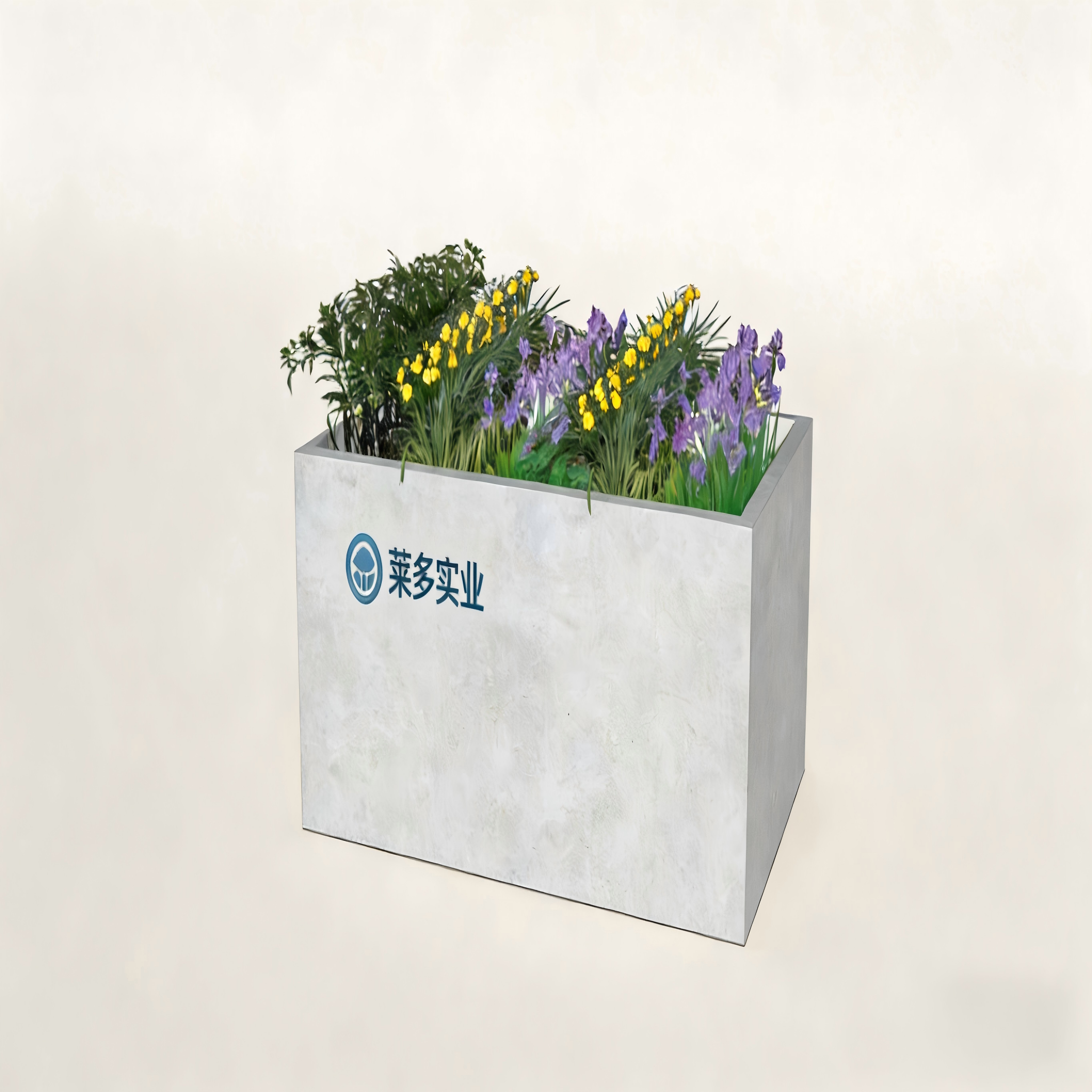
Carbon-Silicon Micro-Powered Filter Bed
(I) Product Overview
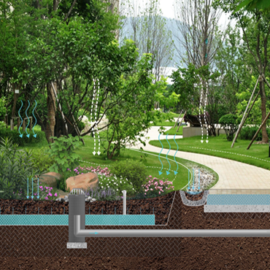
The Carbon-Silicon Micro-Powered Filter Bed is a new-generation ecological filtration system constructed with a nano carbon-silicon framework and centered around a micro-powered circulation system. It leverages the triple synergistic effects—physical, chemical, and biological—within this comprising ecological cells, plants, substrate, and microorganisms. Through processes such as storage, filtration, adsorption, release, sedimentation, ion exchange, plant uptake, and microbial decomposition, it achieves efficient purification of wastewater. Simultaneously, it promotes the growth of green plants via the biogeochemical cycling of nutrients and water, realizing wastewater resource recovery and harmlessness. As raw water flows through the system, various pollutants are separated or transformed through multiple actions including microbial transformation, bacterial degradation, oxidation, reduction, absorption, volatilization, transpiration, and sedimentation, ultimately forming an online filtration system that is both ecologically aesthetic and produces clear water.
(II) Equipment Configuration
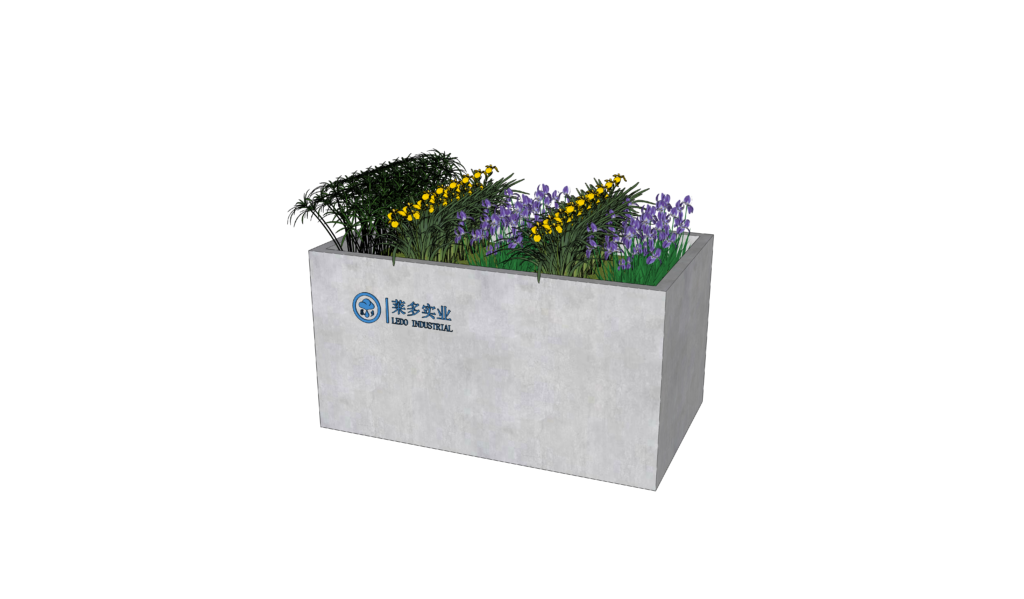
The main structure of the Carbon-Silicon Micro-Powered Filter Bed primarily includes: the carbon-silicon main body, water storage layer, vegetation, nutrient substrate, micro-powered circulation system, and overflow facilities.
The micro-powered circulation system generally includes: water storage ecological cells and auxiliary facilities, intelligent liquid level sensors (signal: 4-20mA, tank range: 0-0.5m), shallow soil sensing system (range: 0~100%, measurement accuracy: 0~50%(m³/m³)), water flow regulation system (① must have the function of intelligently adjusting based on the water storage volume of rain-fed capillary cells; ② must have the function of automatically recording water volume and remotely transmitting data to the smart water network; ③ must have anti-fouling functionality), air pressure balancing device (air exchange rate: 40~157L/s), micro-circulation transport system (transport rate: 22L/min), intelligent central regulation system (PLC touchscreen, HMI, full online simulation tracking of usage status, displaying real-time liquid level changes, allowing self-adjustment of any liquid level node as needed, dynamically displaying online status of various loads, built-in fault monitoring system capable of automatically detecting specific fault locations and prompting), multi-core control cables, etc.
The Carbon-Silicon Micro-Powered Filter Bed is supplied as a set. The filtration area of a single set is (2.8 * 2+1.3 * 2)*0.8 = 6.56 m². Considering a filtration rate of 0.1~0.2 m/h, the treatment capacity of a single set is: 0.656 ~ 1.312 m³/h.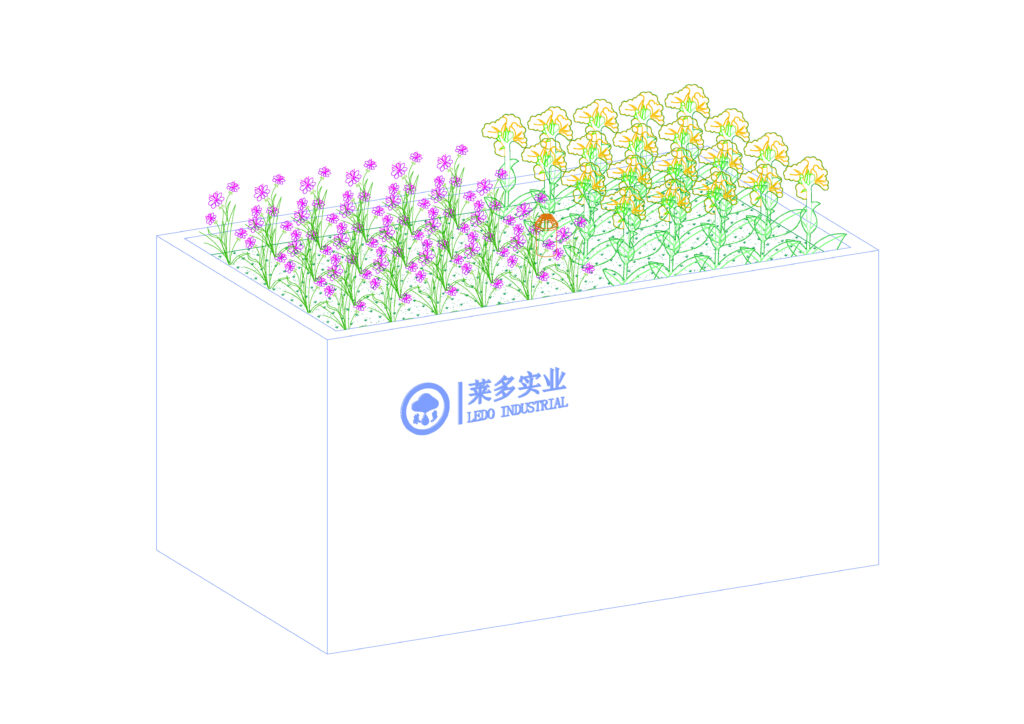
(III) Working Principle
After wastewater is collected by the conveyance system, it flows into the water distribution network of the Carbon-Silicon Micro-Powered Filter Bed. It gradually passes through the filtration, adsorption, release, sedimentation, ion exchange, plant absorption, and the combined action of microorganisms within the plant root zone and nutrient substrate, resulting in effective purification. Part of the purified water is stored in the water storage ecological cells, and part flows directly to the clear water tank. The entire system is regulated and controlled by the intelligent central system, forming a complete ecological filter.
(IV) Main Functions
Purifies wastewater through adsorption, sedimentation, filtration, and ion exchange within the ecosystem, and automatically supplies nutrients for plant growth.
(V) Maintenance During Construction Period
- Maintenance during the construction period refers to the protection of finished products and the care of plants from the start of construction until passing the final acceptance inspection. During construction, plants in the rain garden are in a recovery growth stage and require meticulous maintenance.
- Finished product protection must be ensured both during construction and before passing the final acceptance inspection. This involves regular inspections and focused monitoring, implementing various management measures.
- After planting, watering frequency depends on the season and climate. During the growing season, water every 1-3 days; during the dormant season, water every 10-15 days. Maintaining alternating wet and dry soil conditions is beneficial for the recovery of newly planted root systems. Promptly remove or control newly discovered weeds and pests/diseases, and conduct regular inspections until project handover upon completion.
- For newly established micro-ecological filter beds, regular inspections should be scheduled. Dead seedlings, when found, should be replanted promptly.
(VI) Key Post-Construction Maintenance Points
6.1 Initial Maintenance
- After the micro-ecological filter bed is established, as newly planted plants are not yet fully established, the operational effectiveness of the rain garden cannot be fully realized. Initial maintenance should be carried out based on plant species and surrounding conditions. The initial maintenance period is preferably 3-6 months, with the specific duration determined by plant species and growth conditions.
- During the initial maintenance period, regularly observe plant growth. Provide regular irrigation during dry seasons, strengthen inspection of the drainage system during rainy seasons, and make fine adjustments to treatment parameters based on the operational conditions of the filter bed, such as infiltration and drainage rates.
6.2 Main Facility Maintenance
- The physical and chemical properties of the planting soil at the time of initial construction should comply with relevant soil standards for plant growth and meet rainwater infiltration requirements. After several years of operation, the properties of the planting soil layer and the artificial media layer may change and no longer meet infiltration requirements, necessitating soil amendment and media replacement. The pH of the planting soil should be tested once a year, preferably in early spring or during peak plant growth. If the measured value falls outside the range required for plant growth (4.5-9), adjust the soil pH promptly.
- When debris or litter affects the landscape or hinders rainwater infiltration, clean up promptly. The maintenance cycle is generally twice a year, or within 24 hours after a heavy rainstorm.
- If ponding occurs on the surface of the micro-ecological filter bed and adjusting the pump activation interval does not resolve it, the ecological substrate, microbial substrate, or water collection system may be clogged. First, check if the ecological and microbial substrates are compacted; if so, loosen the soil. Secondly, check if the water collection system is blocked; if clogged, clear the pipes using methods such as high-pressure flushing or vacuum suction.
6.3 Plant Maintenance
- Perform maintenance according to the “Landscape Green Space Maintenance Technology” standards and the design objectives of the rain garden, strictly controlling plant height and density, and maintaining an appropriate root-to-shoot ratio and water balance.
- Regularly inspect vegetation growth, appropriately prune overgrown plants, and remove weeds affecting the landscape. For plants growing poorly due to nutrient deficiency, apply fertilizer appropriately. In winter,尽量保留 dead above-ground plant material to provide food and shelter for local wildlife species. Before spring sprouting, promptly cut back dead plant branches and leaves, and renew or divide and transplant some plants.
- Provide targeted maintenance based on the growth characteristics of each plant species. Strengthen pest and disease observation, control outbreaks of sudden infestations, promptly control major pests and diseases, and replace infected plants. Generally, the use of herbicides, insecticides, and other pesticides is not recommended.
- After one growth cycle, conduct a follow-up survey on plant growth within the rain garden, analyze the adaptability of each variety, and promptly replace poorly adapted plant varieties.
6.4 Emergency Maintenance
- If plants show sudden abnormal wilting or death, promptly investigate the cause and make adjustments to the plant variety, planting location, or management methods.
| Maintenance Item | Maintenance Frequency | Remarks |
|---|---|---|
| Initial Maintenance | 2 times/year, specific timing determined by plant species and growth conditions | / |
| Ecological Substrate, Microbial Substrate | 2 times/year (before rainy season and mid-season) | Soil pH test 1 time/year |
| Facility Maintenance | 1 time/year, or within 24 hours after a heavy rainstorm | Includes cleaning surface debris from filter bed, inspecting seepage in collection wells |
| Plant Maintenance | Year-round maintenance | / |
| Emergency Maintenance | When sudden situations occur | e.g., plant death, etc. |
Details
| ref | WATLA |
|---|---|
| material | PP Polypropylene |
| width | 140 |
| Height | 100 |
-270x270.png)

Reviews
There are no reviews yet.